Written by Malcolm Gladwell. Published by Little, Brown and Company in 2019. 346 pages. Rating: 5/5.
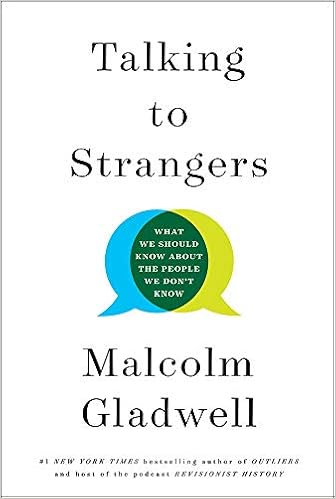
July 10, 2015 Sandra Bland was stopped for a minor traffic violation by State Trooper Brian Encinia in Waller County, Texas leading to her arrest. Three days later she would be found dead in her cell, hanging from a makeshift noose. How does a routine traffic stop escalate into an arrest and subsequent loss of a life? In his book Talking to Strangers Malcolm Gladwell attempts an answer to that question, but also expands upon how little we know about the people we don’t. In a methodical approach to the problems of strangers, Gladwell examines different topics ranging from spies and Cold War intrigue to crimes and suicides. In the end, through the evidence he provides, he produces a compelling argument why Sandra Bland’s arrest went so poorly.
Before reading the book and this review, I suggest watching the video of Bland’s arrest here, just to get a good sense of how bad it went and give context to Gladwell’s book.
Gladwell begins and ends his book by examining the case of Sandra Bland but divides most of the book between five parts: “Spies and Diplomats: Two Puzzles,” “Default to Truth,” “Transparency,” “Lessons,” and “Coupling.” Each of these parts build upon different misconceptions we tend to be seemingly unaware of. For example, in “Spies and Diplomats: Two Puzzles,” Gladwell describes two things that we all tend to do. The first puzzle asks why we cannot tell when the person across from us is lying to our face. The second puzzle asks why is it that when we meet a stranger, we do worse at making sense of them. To answer these questions, he uses the example of Neville Chamberlain’s meeting with Adolf Hitler prior to World War II, New York City Judges deciding bail for dangerous criminals, and Cuban/German spies and double agents. By examining these cases, Gladwell finds some valuable insights that he builds upon throughout the book, mainly that we suffer from an illusion of asymmetric insight; we tend to believe that we know more about others than they know about us. It’s through this illusion that we trust those we should doubt and doubt those we should trust.
Talking to Strangers goes beyond this illusion though, there are a ton of different psychological phenomena that obfuscate the truth form us. We tend to “default to truth” when talking to others. We tend to place a ton of weight on the demeanor of others in determining whether we can truth a person. Gladwell gets into the darker side of humanity by looking at recent news events to give insight into our psychology. The Stanford Rape Case involving Brock Turner or the Penn State cover up of Jerry Sandusky are two events that sparked nationwide outrage and Gladwell gives succinct summaries of each and what we can learn from them.
When it comes down to it, Talking to Strangers really is about human behavior, and Gladwell is no stranger to this topic. He’s written a few other books about human behavior including: Outliers, Blink, and The Tipping Point. These books have been well received nationally and for good reason! Gladwell writes really well about topics that would otherwise be dull. His research spans years is very thorough, the notes in the back of the book show that he uses a plethora of good, valid sources to give weight to the claims he makes.
I wholeheartedly recommend Talking to Strangers by Malcolm Gladwell. It’s an interesting read and is entertaining despite some of the darker subject matter. I think Talking to Strangers does help you know more about the people you don’t, but it’s not a definitive guidebook. Gladwell just dispels many myths and misconceptions about truth, falsehood, and deception to better prepare the reader to make better decisions.
But hey, I’m just a stranger on the internet. Would you trust me?

 The Retrospective Reader
I’m happy that you did this review. This book is actually on my reading list and I think that the video that you linked too will definitely give me some context for the read.
LikeLike
You gotta read this book Joe! It’s the best book I’ve read all year and made me want to read Gladwell’s other books too!
LikeLike